

The choice of cage material is a key factor in determining a bearing's performance, reliability, and cost-effectiveness. The two most common options are metal cages (stainless steel or brass) and nylon cages (engineering plastics such as PA66 or PA46). Each material has its own advantages and limitations depending on the operating conditions.
1. Performance Characteristics
Metal Cages (Stainless Steel / Brass)
- Weight & Friction: Heavier than nylon, with higher friction.
- Lubrication & Noise: Require lubrication and can generate more operational noise.
- Speed & Temperature: Capable of extremely high limiting speeds and wide temperature ranges (-200°C to +300°C).
- Strength & Durability: Excellent impact resistance, wear resistance, and rigidity.
- Corrosion Resistance: Stainless steel cages offer strong protection against corrosion.
- Cost: Generally higher due to material and manufacturing requirements.
Nylon Cages (PA66 / PA46)
- Lightweight: Over 20% lighter than metal cages, reducing inertia and energy consumption.
- Friction & Noise: Naturally self-lubricating, resulting in low noise and vibration.
- Speed & Temperature: Suitable for low- to medium-speed applications; limited to -40°C to +120°C.
- Corrosion Resistance: Resistant to moisture and chemicals, ideal for humid or corrosive environments.
- Impact Resistance: Good shock absorption and resilience.
- Cost: More cost-effective compared to metal cages.
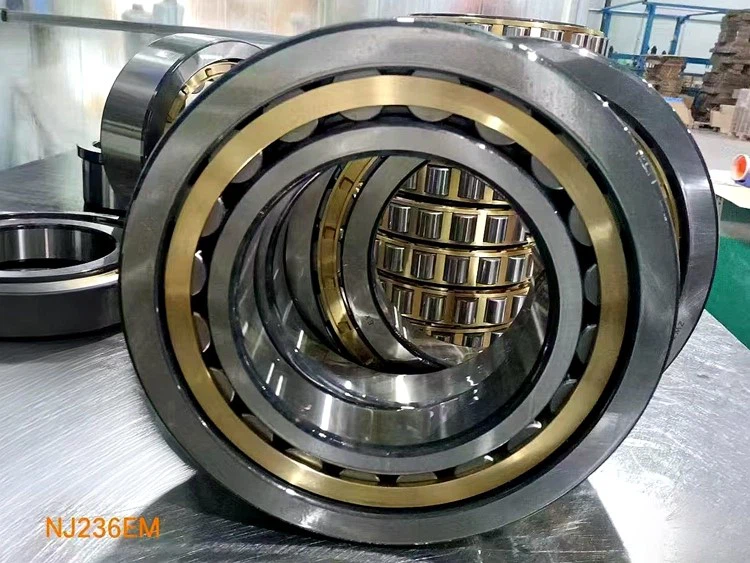

2. Application Scenarios
When to Choose Metal Cages:
- High-speed applications (dn value > 500,000)
- High-temperature environments (>120°C)
- Heavy-load or impact-prone conditions
- Special lubrication requirements
Examples: Semiconductor vacuum robots, wind turbine pitch bearings, heavy-duty machine tools
When to Choose Nylon Cages
- Noise-sensitive equipment (e.g., office automation, household devices)
- Lightweight designs (e.g., robotic joints, drones)
- Corrosive or humid environments (e.g., food processing, medical equipment)
- Cost-sensitive projects (e.g., consumer electronics, automotive components)
Examples: Collaborative robots, automotive seat adjustment mechanisms, home appliances
3. Considerations for Nylon Cages
While nylon cages offer many advantages, certain limitations must be considered:
- Can become brittle below -40°C
- Long-term exposure to UV light or humid heat may degrade performance
- Compatibility with specific lubricants should be verified prior to use

Choosing between metal and nylon cages requires balancing factors such as speed, temperature, load, noise, corrosion resistance, and cost:
Metal cages excel in high-speed, high-temperature, and heavy-duty applications.
Nylon cages are ideal for quiet, lightweight, and cost-effective solutions.
By understanding these differences, engineers and designers can make informed decisions to maximize bearing performance, reliability, and service life in their specific applications.